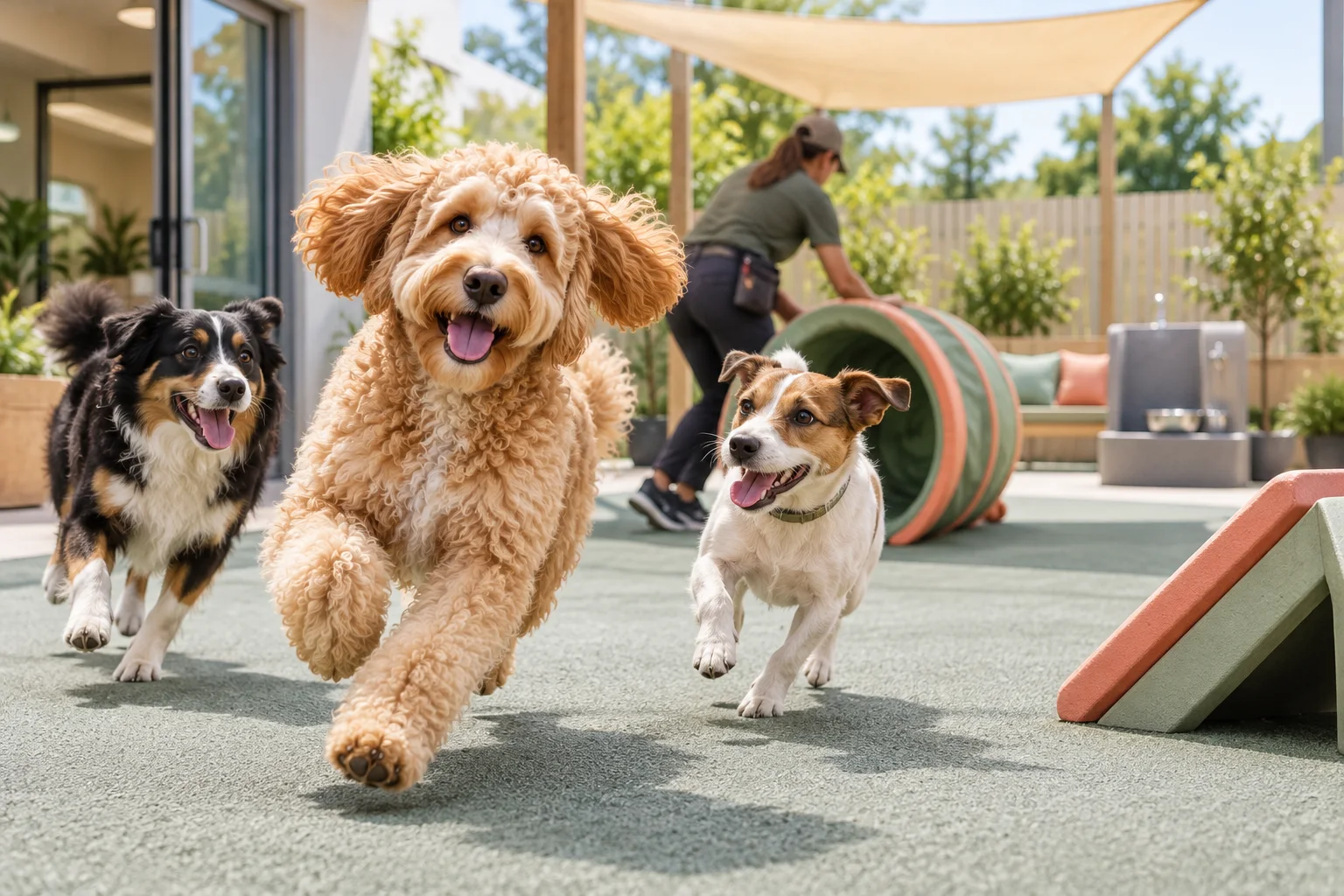
Dog training
Dog training consultation calls: questions to ask before scheduling
A dog trainer's first-call framework for understanding goals, choosing the right next step, and handing sensitive concerns to a person.

A training inquiry often starts with “Can you help with my dog?” The answer depends on the owner's goal, the dog's history, and the kind of support your business offers. A first call should gather enough context to route the inquiry, not attempt to diagnose behavior or prescribe a training plan.
Ask what a successful outcome would look like
Invite the owner to describe the main issue in their own words. “What would you like to be different after training?” is often more useful than immediately naming a program. Follow with practical questions:
- Dog name, age, and household context.
- The goal the owner wants help with and when it occurs.
- What the owner has already tried and whether they have worked with a trainer before.
- Preferred format, location, and schedule, if you offer different options.
- Best contact method and time for a follow-up.
These answers help your team decide whether to offer an evaluation, a discovery call, a group class, or a referral. They are not a substitute for a trainer's assessment.
Explain your process, not an instant solution
Describe the programs you actually offer, how the first assessment works, and what the owner can expect next. If pricing depends on an evaluation or program length, say so. Avoid guarantees about outcomes or timelines, especially when the business has not met the dog.
If the owner mentions a bite, an immediate safety concern, or a situation outside your team's scope, follow your written escalation process and have a qualified person respond. A call handler should not give behavioral or medical advice. For urgent harm or injury, direct the caller to appropriate local professional or emergency help.
Turn the call into a useful handoff
A good note starts with the owner's goal and the next action: New inquiry; owner wants help with leash pulling; dog is two years old; prefers weekday evenings; requested an evaluation; trainer to review availability. Keep the owner's own description, and avoid labels the trainer has not assessed.
Tell the owner whether an evaluation is booked or merely requested. If a team member must approve the match, explain when and how that person will follow up. This prevents a warm first conversation from becoming a missed lead.
Keep an answer sheet current
Document the questions your team can answer reliably: service area, formats, current program descriptions, intake steps, and how scheduling works. Review the sheet whenever a program changes. A front desk or AI phone agent can use it for consistent first responses while leaving training decisions to your staff.
See how PawStaff handles dog training inquiries, or compare pet-care phone coverage options if your team misses consultation calls during sessions.