
Pet grooming
How pet groomers can handle missed calls without interrupting every appointment
A practical guide to handling missed grooming calls, collecting the right booking details, and following up without pulling your team away from pets.
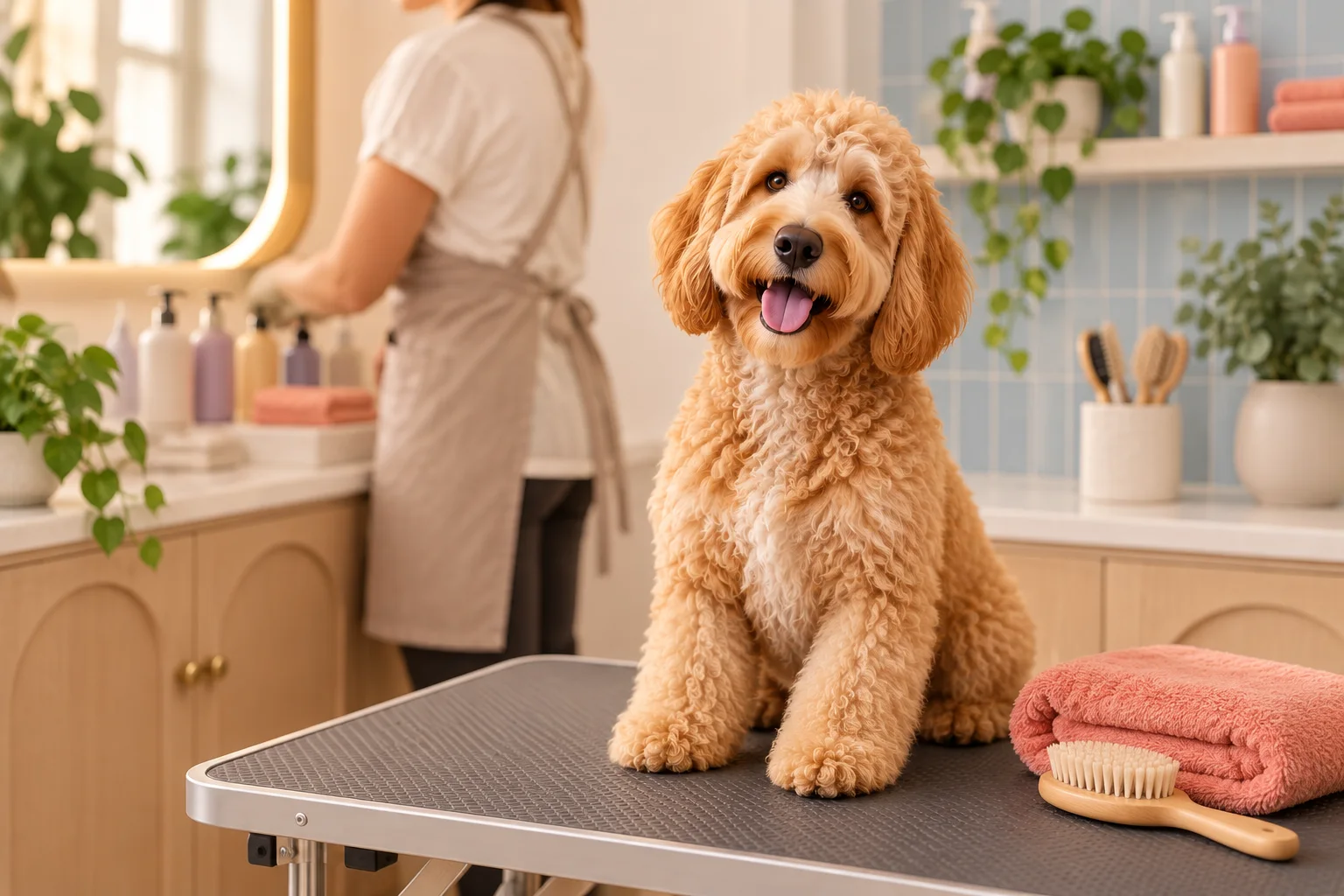
A grooming appointment needs your full attention. So does the person calling about their dog’s first visit. When the phone rings while every pair of hands is busy, the challenge is deciding which conversations need a person immediately and which can become a clear request for later.
The goal is not to make every call a booking. It is to give each caller an accurate next step and leave your team enough context to respond well.
Start with the questions callers actually ask
Most grooming calls fall into a few familiar groups: a new appointment, a change to an existing appointment, a question about services or pricing, or an urgent concern about a pet in your care. Write down the questions your front desk answers most often. The list may include:
- Which breeds and sizes do you accept?
- What does a first visit include?
- Do you require vaccinations or an intake form?
- How far ahead are appointments usually available?
- What happens if a pet is nervous or needs extra time?
Keep answers specific to your shop. If a price depends on coat condition or behavior, say that an estimate needs a team member’s review. A confident but inaccurate answer creates more work than a missed call.
Capture a booking-ready request
When you cannot confirm a slot during the call, collect the details your team needs to make the next move. For a new grooming request, that usually means the owner’s name and callback number, the pet’s name, breed and size, the service requested, preferred days or times, and any handling needs the owner wants you to know.
Ask only for information you will use. Keep sensitive details out of general call notes, and make it clear that a request is not a confirmed appointment until your team accepts it.
Decide what should reach a person right away
An automated answer can help with routine questions, but it should have a clear handoff path. A caller asking about a pet currently in your care, a medical concern, a complaint, or an unusual service request may need your team directly. Define these cases before you set up any phone workflow.
After-hours calls need the same clarity. Let callers know when they should expect a response. If you cannot provide emergency help, direct them to an appropriate local emergency service rather than implying that someone is monitoring the line.
Make follow-up easy for your team
A useful call summary should be short enough to scan between appointments. Put the requested action first, then the pet and owner details, then any open question. Assign one person or queue to review new requests, and decide what happens when that person is away.
Review a few calls each week. Look for repeated questions that need a better published answer, requests that arrive without enough detail, and handoffs that took too long. Small adjustments to your answers and routing can make the experience calmer for callers and staff.
Give your shop a dependable first response
The best missed-call process sounds like your business and respects how your team works. It answers approved questions, gathers useful context, and knows when to bring in a person. If you are considering phone support for your grooming business, see how PawStaff works for pet groomers or book a short demo.